

Sleeping Pads
Every sleeping bag, quilt, sleeping pad and pillow we rank for backpacking, on one page.
Treat them as one system. A warm bag on a thin pad still sleeps cold, because the ground pulls heat out from underneath. Pick the pad for the coldest night you expect, then the bag or quilt to match.
Sleeping Pads

Sleeping Bags

Sleeping Pads
Down and synthetic mummy bags for three-season backpacking.

Top pick · Western Mountaineering

#2 · Sea to Summit
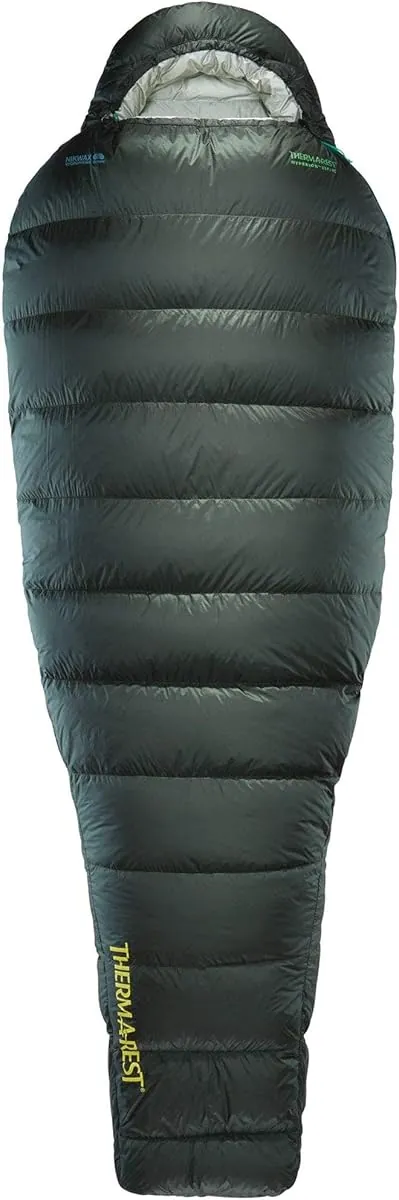
#3 · Therm-a-Rest

#4 · NEMO

#5 · Therm-a-Rest
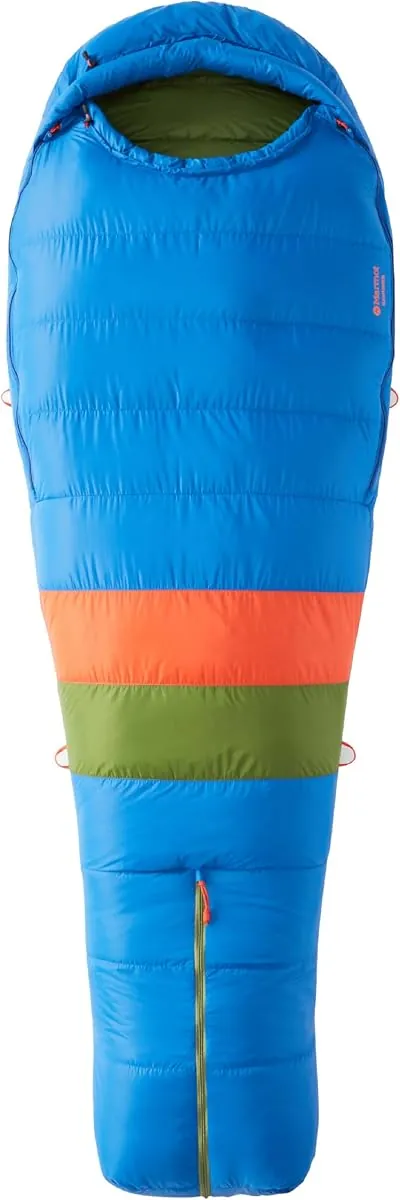
#6 · Marmot
#7 · Kelty

#8 · Marmot
Lighter, open-backed quilts for hikers who sleep warm or toss and turn.

Top pick · Featherstone

#2 · Therm-a-Rest

#3 · Sea to Summit

#4 · WIND HARD

#5 · OneTigris

#6 · SENSORY4U
Inflatable and foam pads, ranked on warmth (R-value), comfort and weight.
Top pick · NEMO
#2 · Therm-a-Rest

#3 · Big Agnes

#4 · Sea to Summit

#5 · NEMO

#6 · Therm-a-Rest

#7 · Therm-a-Rest

#8 · NEMO

#9 · Therm-a-Rest

#10 · Klymit
Small inflatable pillows that weigh a few ounces and fix a lot of bad nights.

Top pick · Sea to Summit

#2 · NEMO

#3 · Sea to Summit

#4 · Therm-a-Rest

#5 · Therm-a-Rest

#6 · Exped

#7 · NEMO

#8 · Klymit

#9 · Trekology
R-value measures how well a pad blocks cold from the ground, tested under the ASTM F3340 standard. Around 2 is enough for summer, 3 to 4 for three seasons, and 5 or more for winter. Values add up, so a foam pad under an inflatable one adds warmth.
A quilt drops the insulation underneath you, which a pad replaces anyway, so it saves weight and gives you room to move. A mummy bag with a hood is warmer in drafts and simpler on cold nights. Restless sleepers and warm sleepers tend to love quilts.
For three-season trips in most of the US, a bag rated around 20 to 30 degrees F covers nearly everything. Look at the ISO 23537 comfort rating rather than the limit rating, especially if you sleep cold.
Down is lighter and packs smaller for the same warmth. Synthetic keeps more warmth when damp and costs less. In wet climates a treated (hydrophobic) down bag splits the difference.
For comfort and packed size, yes. They can puncture, so carry a patch kit. A closed-cell foam pad is cheaper and cannot fail, but it is bulkier and less comfortable.
By Tom. Picks are ranked from published specs, Amazon buyer reviews and AI-assisted research, never paid placement. Ratings are as last checked on Amazon, which always has today's price.