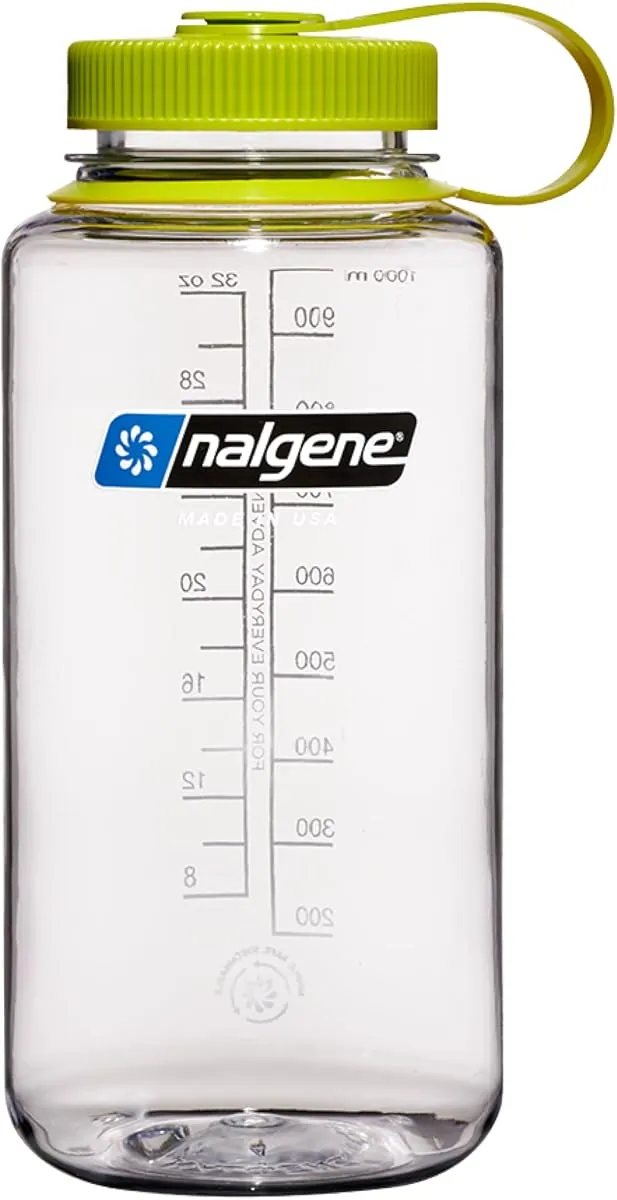
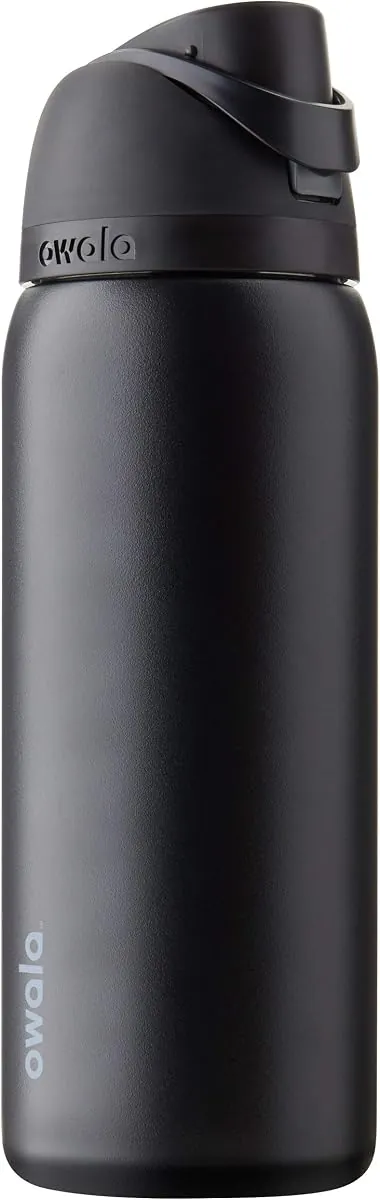
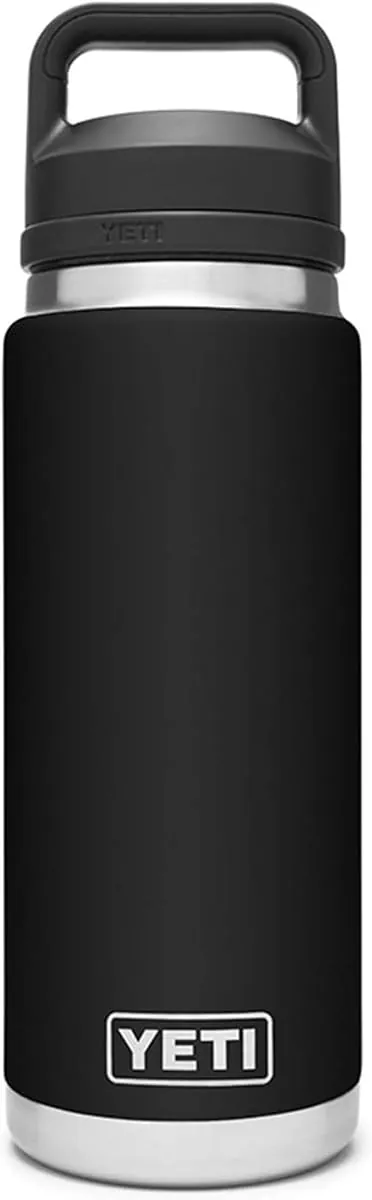
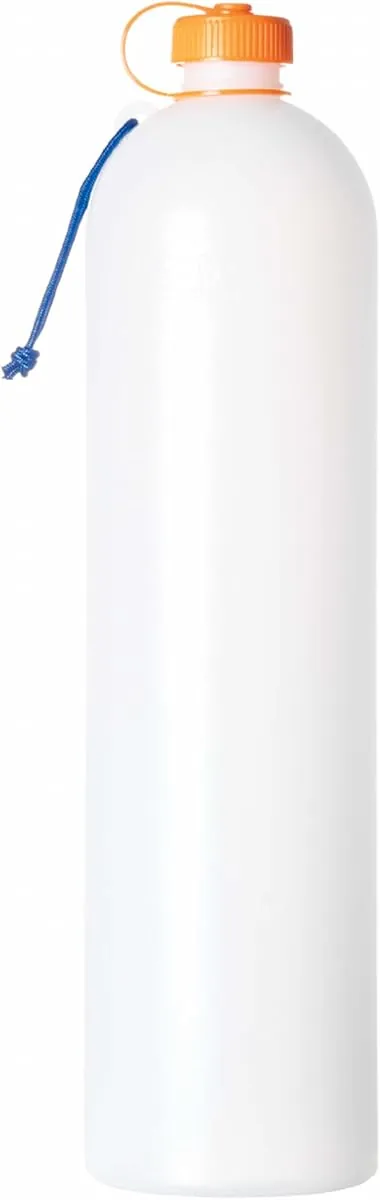
A water bottle is the piece of hiking gear most people already own, which is exactly why it gets so little thought. The one from the kitchen cabinet works fine on a walk around the lake. On a six-mile day in July it starts to matter. A bottle that leaks soaks everything in your pack, and one that weighs a pound empty is a pound you carry all day. By the second hour you'll also notice whether your water is still cold.
There are really three kinds of hiking bottle. Hard plastic bottles like the Nalgene are cheap, light enough and almost impossible to break. Double-wall steel bottles keep water cold all day and weigh more than twice as much. Soft bottles roll up to nothing when they're empty and screw onto a squeeze filter. Plenty of hikers end up owning one of each.
The eight below are ranked on what a bottle does on a trail: weight for the water it holds, how well it seals in a pack, whether it keeps water cold, and whether a filter threads onto it. My dad and I haven't put them through a lab. The order comes from each maker's specs, the expert roundups at Switchback Travel, Treeline Review and CleverHiker, and what Amazon buyers say in their ratings and reviews.
One thing this page leaves out on purpose is filter bottles like the Katadyn BeFree and the Grayl GeoPress. They're water treatment first and bottles second, so they live on the water filter guide instead.